


Applying to be a Computer Science major, senior Max Schuler started his coding journey in 4th grade when he randomly stumbled upon a website in school. He continued throughout his first year of high school using the website, called “Scratch”, an introductory game and development coding site, furthering his interest in computers and coding.
During his freshman year at RUHS, he took a summer course at USC, using a program called Unity. While actively looking for a course during the summer to further his knowledge of the craft. The program later enabled him to publish an actual video game in the summer of eleventh grade. He worked on the video game for 3 consecutive summers from 9th to 11th grade and spent 60 hours a week on this development for over a month.
After publishing his video game, Schuler never actually knew it would lead him to such an incredible opportunity. His Dad, Robert Schuler, is a computer science researcher and has some connections in the field. Unintentionally, he ended up introducing Schuler’s video game that was published while in conversation with a coworker, and they thought he was a good candidate with skills and tenacity needed for the project.
“He’s very much a self-starter. He learned on his own, which I think is important for anyone interested in software and computer science,” explains Schuler. “You have to deal with a lot of frustrating errors that you have to solve, bugs that you have to figure out, which takes a lot of patience and a lot of persistence.”
Max Schuler’s interest in this work isn’t just to fill a space on his college resume and look better for admissions, but is something he’s genuinely interested in, and this project was a way he pushed his curiosity out in a tactile form. His dad explains that his son is mainly, “interested in finding meaningful problems to work on things that he thinks are not just interesting for himself, but helpful for society around him.”
This is exactly why Schuler was chosen out of the 400 other students who applied to create research software, acting as a tool to organize information. The actual tool itself is “almost similar to a diagram to visualize how different research questions are connected to one another and which ones connect more than others.
“When people are researching, they delve really deep [into] a very niche topic,” Schuler articulates, “but the problem is when they go into that research topic, it’s hard to come back and see the big picture.”
The internship wasn’t just a checklist of things to do, but it was a prodigious commitment that demanded his spare time and dedication. As the required time was 30 hours per week, Schuler ended up working overtime “pretty much every day” and often sacrificed weekends for this internship.
“It was demanding, but it was fulfilling. […] I’m okay with just going all into technology. I did sacrifice having free time, but working on technology is the most interesting thing that I could be doing, so it was worth it,” Schuler said.
While developing the software, Schuler was able to connect with three professors from different research backgrounds who worked alongside him through the whole process. He credits them of being “appreciative, friendly, and encouraging towards [his progress]” throughout his internship, giving him not only motivation, but even freedom and liberty with said project.
“A lot of research opportunities that young people have are working with one PhD candidate. But these professors had been very big players in their fields. And it was incredible because they were extremely friendly and welcoming to me. I’m hoping that during college I can either reconnect with my professors and continue some form of research with them,” Schuler said.
With all the accomplishments Schuler has already made in the field as a high school student, many are proud, specifically his Dad.
“I’m absolutely proud of him. Couldn’t be [prouder]. He’s really found [something in] middle school and into high school, something that’s [evolving] over time, but he’s really figured out his own, his own discipline and commitment.” Robert said.
While there are still many more successes to come, in the future, Schuler hopes not to continue entertainment video games but apply this newfound understanding of technology to whatever he decides to pursue moving forward. He wants to use his knowledge to continue to work technology into everyday lives and blend different fields together. Even though he is set on having a career in technology, he still honors why he wanted to go into tech.
“I was fascinated by the unlimited possibilities of creating whatever I wanted. So I didn’t plan on it becoming a career.” Schuler said. “I always knew that I liked computers and programming, but it was just my excitement and curiosity that really compelled me.”
Coding into College
After designing his own video game, senior Max Schuler created a research software through an internship and is pursuing computer science in college.
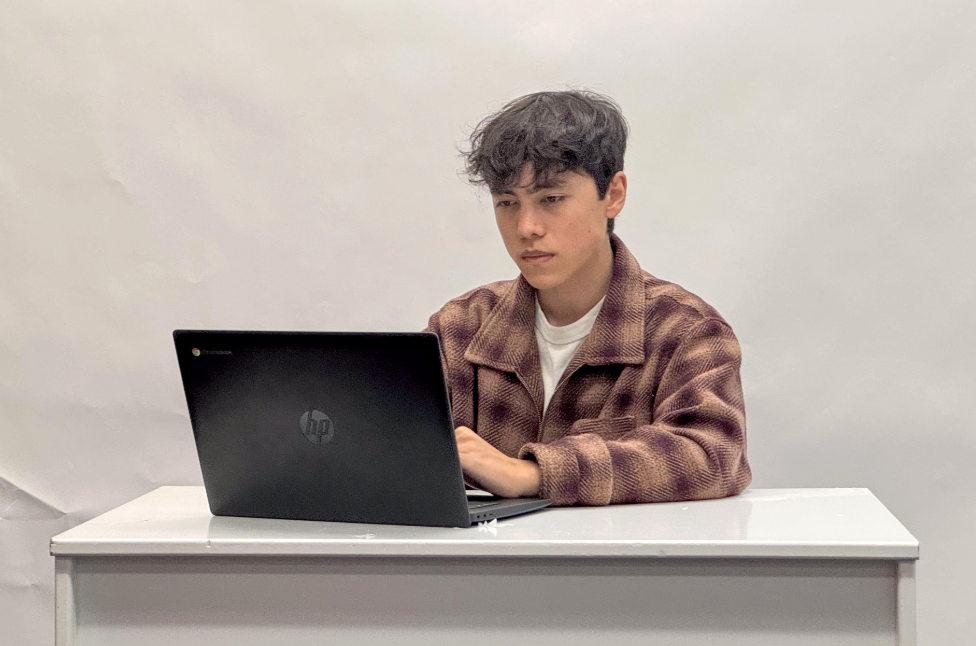
Photo by Sayat Brook
About the Contributors
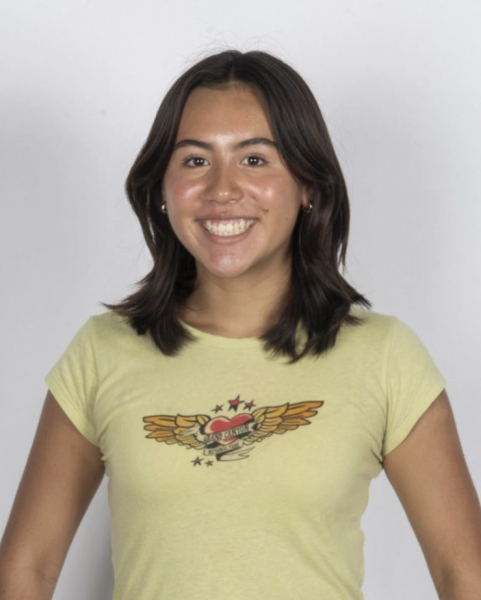
Sophie Farias, Staff Writer
Hi!! I’m Sophie and I am so excited for my first year at RUHS and on high tide. Besides writing and wishing I had a dog, I love going to the beach, baking, and hanging out with my friends.
Sayat Brook, Photographer