
Junior Callie Chenfu can clearly remember the moment when she went for a side tackle in the middle of a soccer game, only to feel a searing pain in her knee. She didn’t know it yet, but she had just torn her Anterior Cruciate Ligament (ACL). Surprisingly, this experience is somewhat common in soccer players, especially among women.
The ACL is in the middle of the knee and grants functions such as turning, running, and jumping. When it is torn, the player is unable to play soccer for at least a year because they need to undergo surgery to heal, along with going through the recovery process. Like Chenfu, Ella DeCato tore her ACL during a soccer game. She had been playing in December of 2024 before she jumped and landed on her leg in the wrong way, tearing her ACL in the process.
“[After the surgery] I was in a lot of pain, but honestly, the mindset was the most important part. I felt really good, like ‘oh, I’m gonna come out of this stronger, I’m confident. I’m ready to get back to work and put in the effort,” DeCato said.
When navigating through this experience, having a positive mindset could assist one greatly. The ACL awareness club supports athletes with ACL injuries, in addition to their team members. The president of the club is Kailee Hardt, and Callie Chenfu is the vice president. They meet once a month.
“I probably have seven or eight friends who have torn [their ACL], which is not good, and needs to be prevented. That’s why we have the ACL Awareness Club,” Chenfu said.
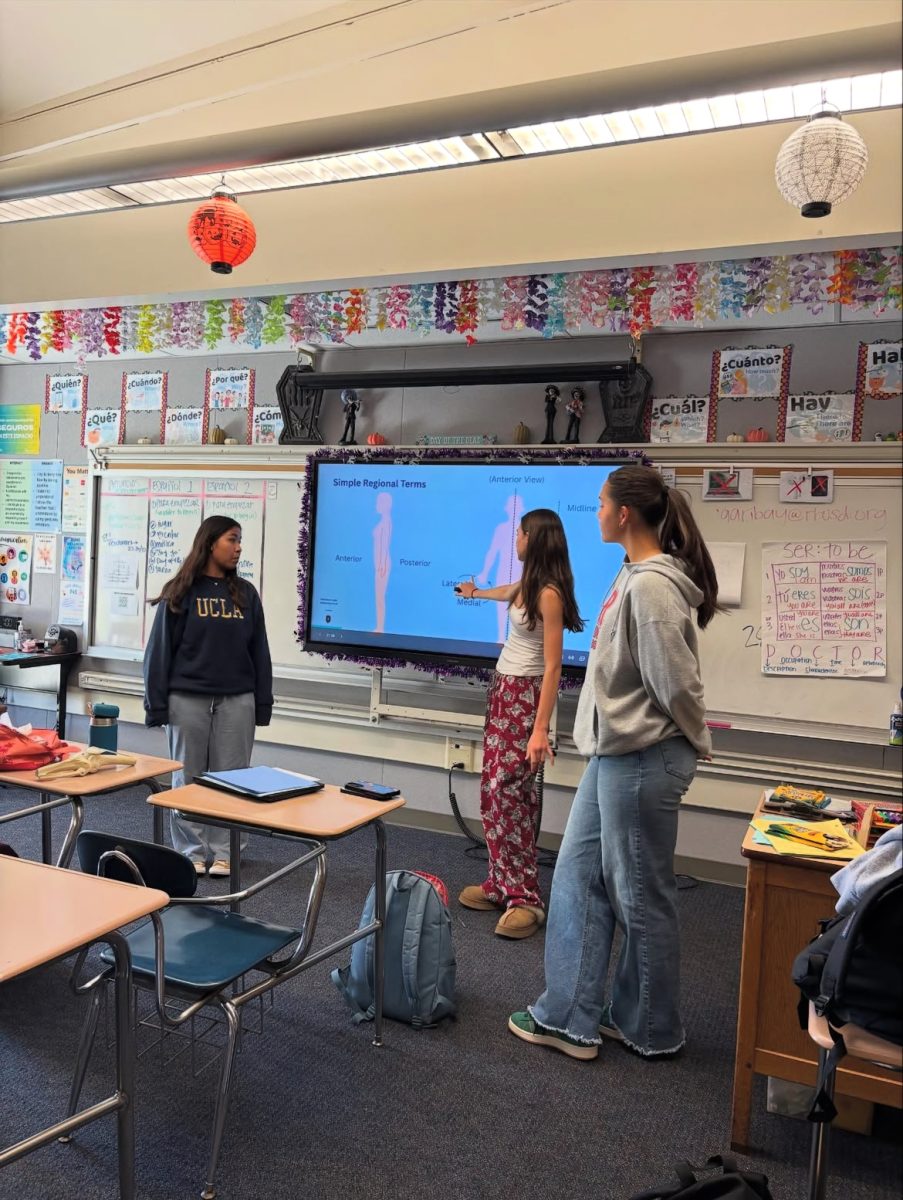
The club not only helps people find others alike to themselves, but also to grow closer to the friends they already have. In their last meeting, the club made ACL models out of candy and went over the anatomy of the knee. About 61% of the club was not familiar with it, despite it being important information to know. At the club, they also shared their personal experiences and discussed how to help a friend who is new to the experience.
“[Tearing the ACL] is a really big injury in sports. But the club is more focused on building the environment around it because, yes, the injury sucks, but the worst part is definitely the mental isolation. Having a community, especially in the club, and knowing that you’re not alone, your friends aren’t alone. Or that if it hasn’t happened to you, you know the worst-case scenario. If it happens, you know how to approach it and the people it happens to,” DeCato said.
The club also discussed a bit on why it’s more common for women in soccer to tear their ACLs rather than men.
“I think that definitely more awareness needs to be brought to the ACL and the effect it has on women, especially because we’re more susceptible to it. So I think ACL prevention should be a big thing in sports, for males as well,” Chenfu said.
Women use their hamstrings more often than men do, making it more likely for their ACLs to be affected when playing sports. The ACL Awareness Club focuses not only on spreading information about the physical aspects of ACL tears, but also on raising awareness.
Chefu stated, “Mental health is very important. And just bringing awareness to the fact that it goes deeper than just the ligament tear. Like, it’s a very emotional process. You’re very vulnerable to things. That’s the big thing, it’s that the awareness of it is more trying to express that not a lot of people are aware that so much more happens, rather than your knees being in a brace and you’re out [of the game] for a year.”