
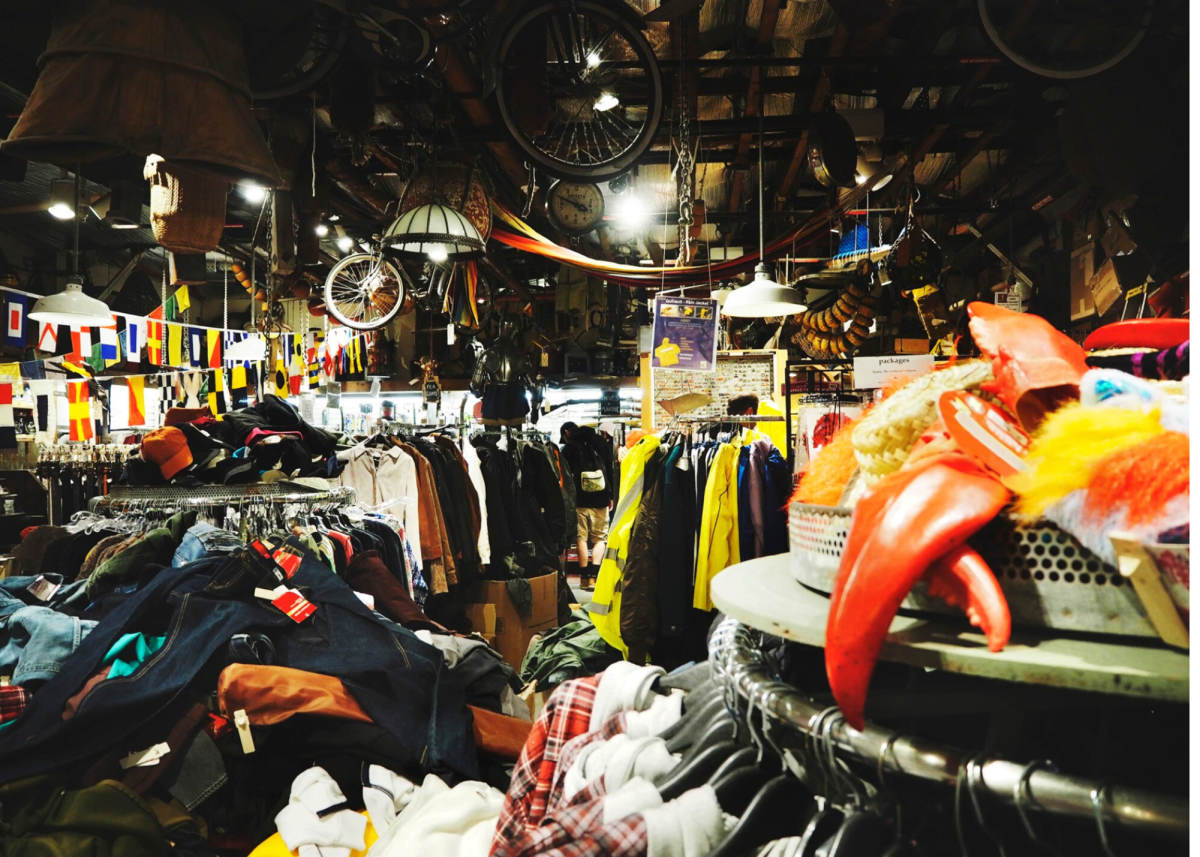
Frustration surrounding resellers is common and understandable — I fall victim to it all the time — but resellers are not the demons that we want them to be.
The purpose of thrift stores, aside from generating profit, is to sell second-hand clothing at affordable prices, making clothing more accessible to people who cannot afford to spend $30 on one shirt at retail stores. Thrifting is not only cheap, but also sustainable, and reduces clothing waste. Junior Connor Iorio first got into thrifting through his interest in fashion, later pursuing profit through reselling thrifted clothing after realizing how easy and sustainable it is.
“I was tired of paying so much money for clothes that I barely even liked or that didn’t last. Most big brands aren’t sustainable or made out of good materials. Thrifting gave me access to a more unique style and being able to afford more clothes in general,” Iorio said.
Due to the fact that thrifting is affordable and accessible to the lower class, the widespread argument against resellers is that they buy out stores and steal clothing from people who need it more than them. While it is true that accessible clothing is incredibly important, clothing is already made available to most people through thrifting, and thrift stores are certainly in no dire need of donations.
According to the United States Environmental Protection Agency, 66% of clothing and other textiles, such as towels and pillowcases, are landfilled. For reference, according to the U.S. Department of Agriculture, between 30-40% of food is wasted yearly. If clothing is being wasted at almost double the rate of food, how does it make sense that resellers are making clothing less accessible to those in need? As someone who goes thrifting very often, I have never seen a thrift store even close to being empty.
It is commonly argued that resellers take all of the trending clothes and take away access to most things stylish. However, I do not necessarily think that is fair to say. Obviously, every single person deserves to dress in the clothes that they feel comfortable and confident in. However, with the sheer amount of clothing that is produced and resold in thrift stores, it is almost guaranteed that people can find clothes that fit their style in any thrift store.
Reselling creates access to profit that is obtainable for anybody. Landing jobs is difficult and honestly miserable. Reselling allows people who may not be able to find jobs or need to work on their own hours to support themselves, and to put clothes on their backs just like people who thrift for themselves.
“With reselling, I never have to worry about how or when I’m going to make money, especially because I don’t have the time or transportation to work for somebody else. There’s also always a market for clothing,” Iorio said.
The anger towards resellers does not originate from how cute the clothing is or how they make clothing less accessible. These are just excuses to justify jealousy at the fact that they got lucky at the thrift store and are making money from pieces that people wish they could have for a cheaper price. At the end of the day, resellers are just hustling to make a living. They are doing the same thing as people with any other typical job, and they do not deserve the scrutiny that they receive, even if they are men who take vintage babydoll tops for themselves.